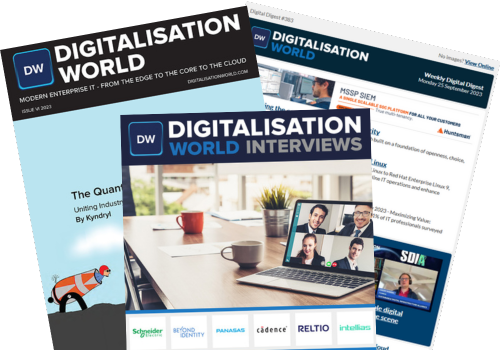
Digital Newsletter
Each week our editor Phil Alsop rounds up the most popular articles, videos and expert opinions. We compile this into a Digital Newsletter and send it straight to your inbox every week.
Digital Magazines
We'll let you know each time a new edition of Digitalisation World is released so that you're always kept up-to-date with the latest and greatest news and press releases.
Video Magazines
The Digitalisation World Video magazine contains the latest Zoom interviews with experts in the industry.
Mobility may have started with the simple concept of shifting employees from being deskbound to being mobile. But it has advanced and evolved in such ways that many organizations are embracing capabilities unique to mobility and unique to their industries. Each vertical is different in terms of its underlying industry drivers, barriers, and potential benefits.
Industry-specific applications will be a driving force as businesses look for solutions that can be easily configured to their unique business and vertical requirements.
Key findings from the new report include:
According to the report, IDC estimates that $901 billion was spent worldwide on mobile technologies in 2014. Wireless data and smartphones comprised the lion's share of this spending. The opportunity is forecast to reach $1.2 trillion by 2019. Excluding consumer spending, the industries expected to spend the most for mobile technologies include discrete and process manufacturing and professional services. Combined, these three segments will represent 17% of the market in 2019. The areas of greatest growth include personal and consumer services, media, and the banking industries.
"More than ever, mobile technologies are empowering workers across industries to connect, collaborate, and create new ways to operate and do business," said Jessica Goepfert, Program Director of IDC's Global Technology and Industry Research Organization. "It goes beyond providing a smartphone to liberate the deskbound worker. Instead, it's about utilizing mobile technology to increase sales, improve productivity, and raise customer and employee satisfaction."