Digital Newsletter
Each week our editor Phil Alsop rounds up the most popular articles, videos and expert opinions. We compile this into a Digital Newsletter and send it straight to your inbox every week.
Digital Magazines
We'll let you know each time a new edition of Digitalisation World is released so that you're always kept up-to-date with the latest and greatest news and press releases.
Video Magazines
The Digitalisation World Video magazine contains the latest Zoom interviews with experts in the industry.
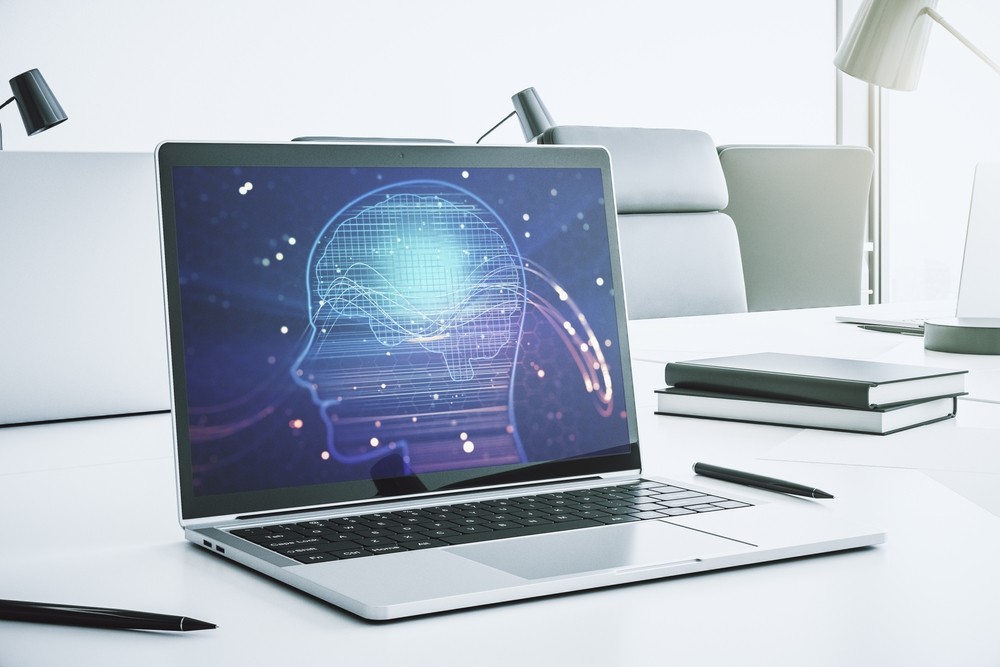
The global market for artificial intelligence (AI) personal computers is on the cusp of a remarkable transformation, with projections indicating these advanced machines will account for 31% of PC sales worldwide by the end of 2025. According to technology insights firm Gartner, Inc. AI PCs are set to ship 77.8 million units that year alone.
“AI PCs are reshaping the market, but their adoption in 2025 is slowing because of tariffs and pauses in PC buying caused by market uncertainty,” said Ranjit Atwal, Sr Director Analyst at Gartner. He suggests, however, that the market's current situation won't deter users from investing in AI PCs, recognising the need to adapt to edge-based AI technologies.
Further forecasts suggest that by 2026, AI PC shipments will escalate to 143 million units, accounting for over half of the market share, and will become standard by 2029.
Both businesses and consumers exhibit distinct preferences in AI PC selection, influenced primarily by the choice of processor platform. Gartner predicts Arm-based laptops will dominate the consumer sector, overcoming application compatibility challenges, whereas businesses will likely favour x86 processors on Windows. In 2025, the x86 processor is expected to constitute 71% of AI business laptop sales while arm makes 24%.
Anticipating an increase in AI PC availability, Gartner projects that by 2026, 40% of software vendors will focus on developing AI-specific functionalities for PCs, a significant leap from 2% in 2024. This progression indicates a rise in the utilisation of small language models (SLMs), enhancing devices' operational efficiency and data security.
SLMs, through their integration on local devices, offer quicker processing speeds, improved energy efficiency, and lower dependency on cloud infrastructures, fostering better data privacy.
As the sector evolves, the emphasis will shift from hardware to user-tailored software. Vendors need to innovate by offering customisable, AI-imbued PCs, tailored for various applications and user needs. As Atwal notes, personalising users' interaction with these sophisticated systems not only drives improvement but also cultivates brand loyalty.